The biggest moments in rugby union are easy to remember.
A last-minute try. A touchline conversion. A dominant scrum. A turnover that changes the entire momentum of a match. These are the moments that fill highlight reels and give supporters stories to tell for years.
But most matches are not decided by one spectacular passage of play.
They are decided by smaller moments that build across 80 minutes. A team clearing its lines under pressure. A forward winning an extra metre after contact. A fly-half making the right decision when the defence has closed in. A winger staying patient and waiting for the opportunity to strike.
Rugby union is a sport of fine margins.
The best teams understand that every phase matters. They know that one missed tackle, one poor lineout throw or one unnecessary penalty can create an opportunity that the opposition may not waste.
That is why the most successful sides are not always the ones with the most exciting attacking players. They are often the teams that make fewer mistakes, stay composed under pressure and execute the basics better than anyone else.
The Set Piece Creates the Platform
The set piece remains one of the most important parts of rugby union.
A strong scrum, reliable lineout and effective restart can give a side the platform needed to control possession and build pressure. Without that platform, even the most talented backline can struggle to make an impact.
The scrum is about more than brute force.
Technique, timing and communication are vital. A dominant scrum can win penalties, give a team attacking field position and put real psychological pressure on the opposition forwards. Even when a scrum does not lead directly to points, it can influence the entire match by forcing the other side to play with caution.
The lineout is equally important.
A clean lineout gives a team a chance to launch an attack, while a well-organised defensive lineout can disrupt the opposition’s plans before they have even started. Teams that have a reliable throw, strong jumpers and clear movement can use the lineout as a major attacking weapon.
Set pieces are often viewed as the work of the forwards, but they affect every player on the pitch.
When a team has confidence in its scrum and lineout, the backs can play with greater freedom. When those areas become unreliable, pressure builds quickly and the whole side can lose momentum.
The Breakdown Decides Possession
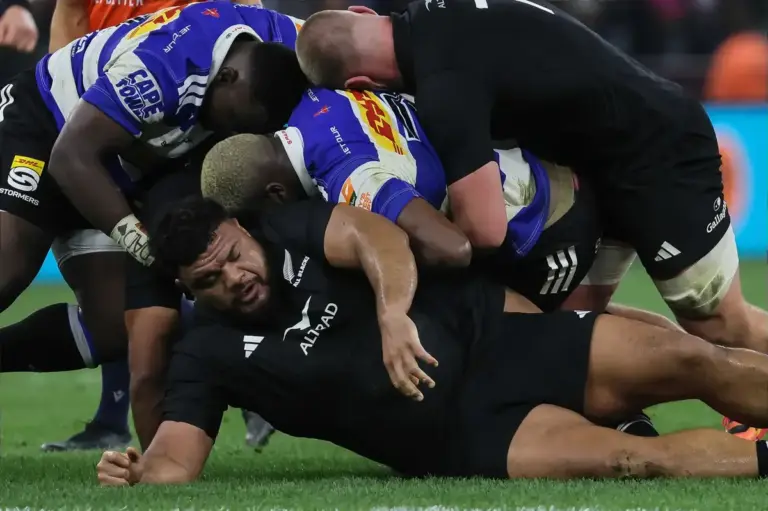
The breakdown is one of rugby’s most demanding battles.
It happens quickly, often in crowded areas of the pitch, and can determine whether a team keeps the ball or hands it back to the opposition. A clean ruck allows a side to play at speed. A slow or messy one gives the defence time to reset and close down space.
Winning the breakdown is not always about stealing the ball.
Sometimes it is about slowing the opposition down. Sometimes it is about arriving quickly enough to protect possession. Sometimes it is about forcing an error, winning a penalty or making the other team hesitate before sending more players into contact.
The best sides understand the balance.
They know when to commit numbers to a breakdown and when to keep players in the defensive line. Sending too many players into a ruck can leave space elsewhere. Sending too few can result in lost possession.
That decision-making is one of the reasons rugby union is such a tactical game.
Every breakdown presents a choice. Attack the ball. Protect the ball. Slow the ball. Fan out in defence. The strongest teams make the right decision more often than their opponents.
Defence Is More Than Making Tackles
A strong defensive performance is not simply about putting in big tackles.
Organisation is just as important.
The best defensive sides move together, communicate clearly and close down space before the opposition can find it. They force attackers toward the touchline, make it difficult to create overlaps and stay patient when the other team is trying to build through multiple phases.
A single missed tackle can be costly, but poor defensive shape can be even more damaging.
If one player rushes out of the line at the wrong time, space can open behind them. If the defensive line is slow to reset, an opponent can attack before the team is ready. If communication breaks down near the try line, a well-worked move can create an easy score.
Defence also requires discipline.
Giving away penalties in kickable positions can put a team under pressure without the opposition needing to create anything special. Repeated penalties can lead to yellow cards, which then make an already difficult defensive task even harder.
The most effective sides defend with aggression, but they remain controlled.
They make their tackles. They compete at the breakdown. They stay connected. Most importantly, they make the opposition work for every metre.
Game Management Separates Good Teams From Great Teams
Rugby matches can change quickly.
A team may dominate possession for 20 minutes and still find itself behind on the scoreboard if it fails to take its chances. Another side may spend most of the match defending but stay within reach through smart kicking, discipline and clinical finishing.
That is where game management becomes crucial.
The best players understand the situation around them. They know when to kick for territory, when to play quickly and when to slow the game down. They recognise when a match is becoming chaotic and can bring structure back to the team.
A fly-half often plays a central role in this.
They need to read the defensive line, make decisions under pressure and understand when to use the forwards, when to move the ball wide and when to take points from a penalty. But game management is not only the responsibility of one player.
Every experienced member of the side has a part to play.
The captain needs to make sensible choices. The forwards need to know when to carry and when to protect possession. The backs need to understand when a counter-attack is on and when it is better to secure field position.
The strongest teams rarely panic.
They adapt to the match in front of them.
Discipline Can Change Everything
Penalties can decide matches.
A side may have more possession, more territory and more attacking chances, but a lack of discipline can undo all of that good work. Giving away penalties allows the opposition to clear its lines, kick for goal or set up a dangerous attacking lineout.
Discipline is particularly important in close matches.
A late penalty can turn a narrow lead into a defeat. A yellow card can leave a team exposed for ten minutes at exactly the wrong time. One reckless decision can change the entire feel of a game.
The best teams understand how to play on the edge without going over it.
They are aggressive at the breakdown, physical in defence and competitive at the set piece, but they remain controlled. They do not give referees easy decisions. They do not offer opponents cheap points.
In modern rugby union, discipline is not just a defensive quality. It is a key part of attacking success too. A team that avoids penalties can maintain territory, build pressure and force the opposition into mistakes.
Why Odds Cannot Tell the Full Story
Rugby union odds can provide a useful starting point when supporters are discussing a fixture, but they can never predict everything that happens over 80 minutes.
A favourite may have better recent form, more international players or a stronger record at home. But rugby is full of variables. Weather conditions, injuries, squad rotation, set-piece battles and refereeing decisions can all influence the outcome.
An underdog with a powerful pack and a clear tactical plan can create problems for a more highly rated side. A team that wins the territory battle, controls the breakdown and takes its points can stay competitive against almost anyone.
For readers who enjoy following rugby odds and sportsbook promotions, the current Thrill promo code information is available at thrill.codes before registering.
Betting should always be treated as entertainment. Never stake more than you can afford to lose, never chase losses and only participate if you are 18+ and gambling is legal where you live.
The Small Details Build Big Results
Rugby union rewards teams that respect the fundamentals.
A reliable lineout. A dominant scrum. Quick ball from the breakdown. Disciplined defence. Smart kicking. Calm decision-making under pressure.
None of those elements may look as dramatic as a 70-metre try, but they are what give a team the chance to create those memorable moments in the first place.
The best sides do the basics well, even when the match is tight and the pressure is high.
That is why rugby union remains such a compelling sport. Every phase can create an opportunity. Every decision can shift momentum. Every small detail can become the difference between winning and losing.